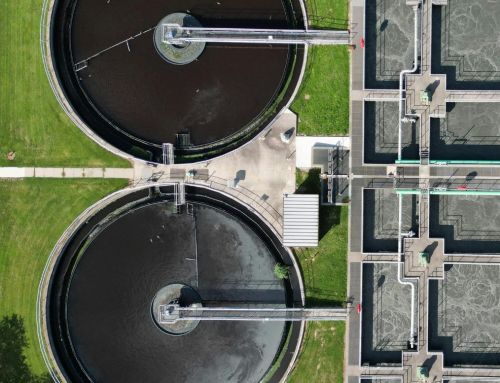
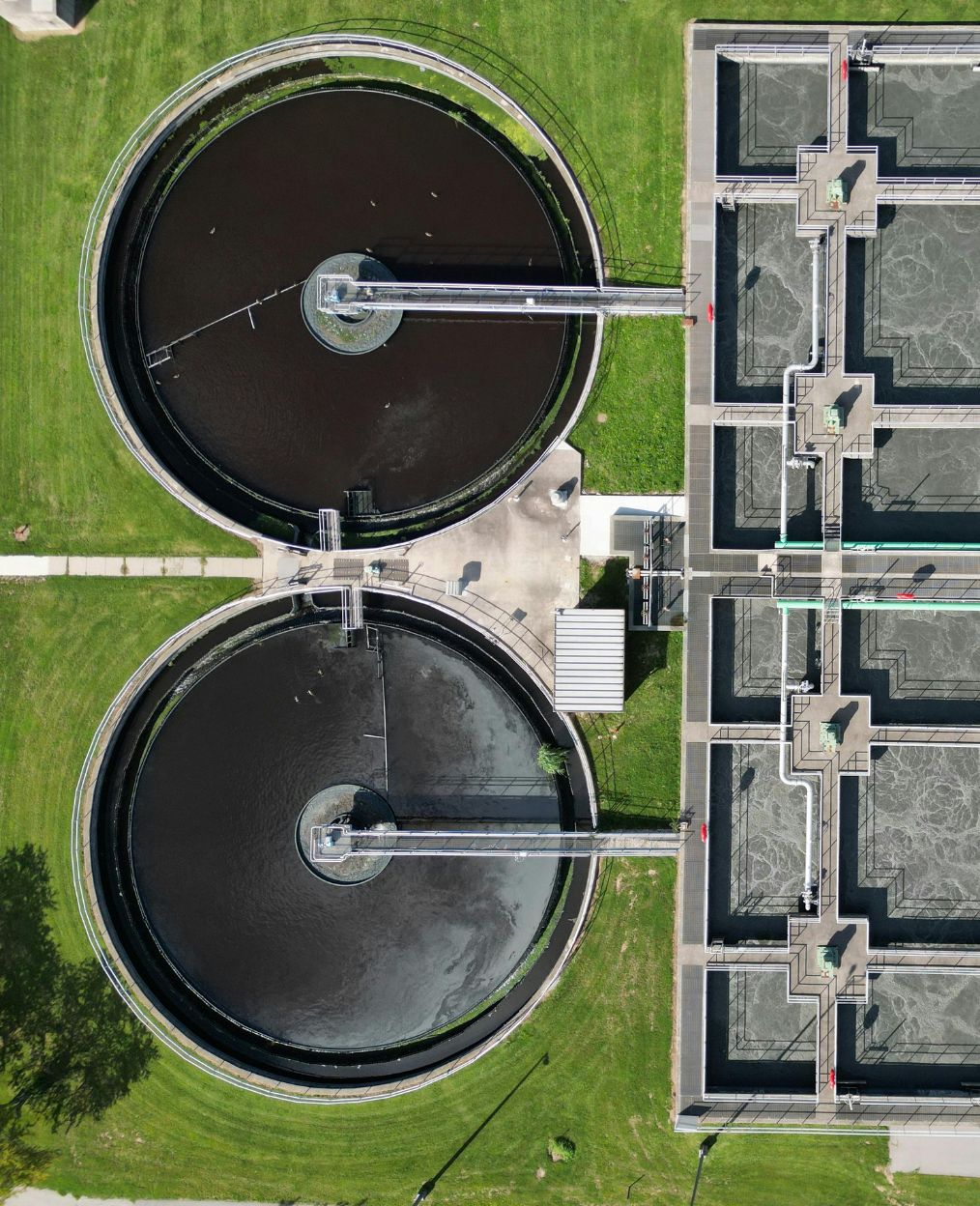
India is building, upgrading, and operating sewage treatment plants at a pace the country has never seen before. The AMRUT scheme, the Smart Cities Mission, and the National Mission for Clean Ganga have collectively pushed hundreds of new STPs into operation across tier-1, tier-2, and tier-3 cities over the last decade. By most estimates, India now operates over 1,000 STPs with a combined treatment capacity exceeding 26,000 million litres per day.
But capacity is only half the story.
The other half — the half that rarely makes it into project reports or commissioning documents — is odour. And it is a problem that is getting worse, not better, as STPs are built closer to populated areas, as urban expansion pushes residential development toward existing plant boundaries, and as community awareness of air quality rights grows louder and more legally assertive.
If you are responsible for an STP in India — as an operator, a municipal engineer, an EHS officer, or a private facility manager — odour is almost certainly one of your most persistent, most visible, and least satisfactorily resolved operational challenges.
This article examines why odour control at Indian STPs is uniquely difficult, why the systems most commonly deployed are structurally inadequate for the task, and how a new generation of molecular neutralisation chemistry is changing what is possible — without requiring large capital investment or infrastructure overhaul.
The Scale of India’s STP Odour Problem
India’s STP odour challenge has several dimensions that make it distinctly more difficult to manage than equivalent facilities in developed markets.
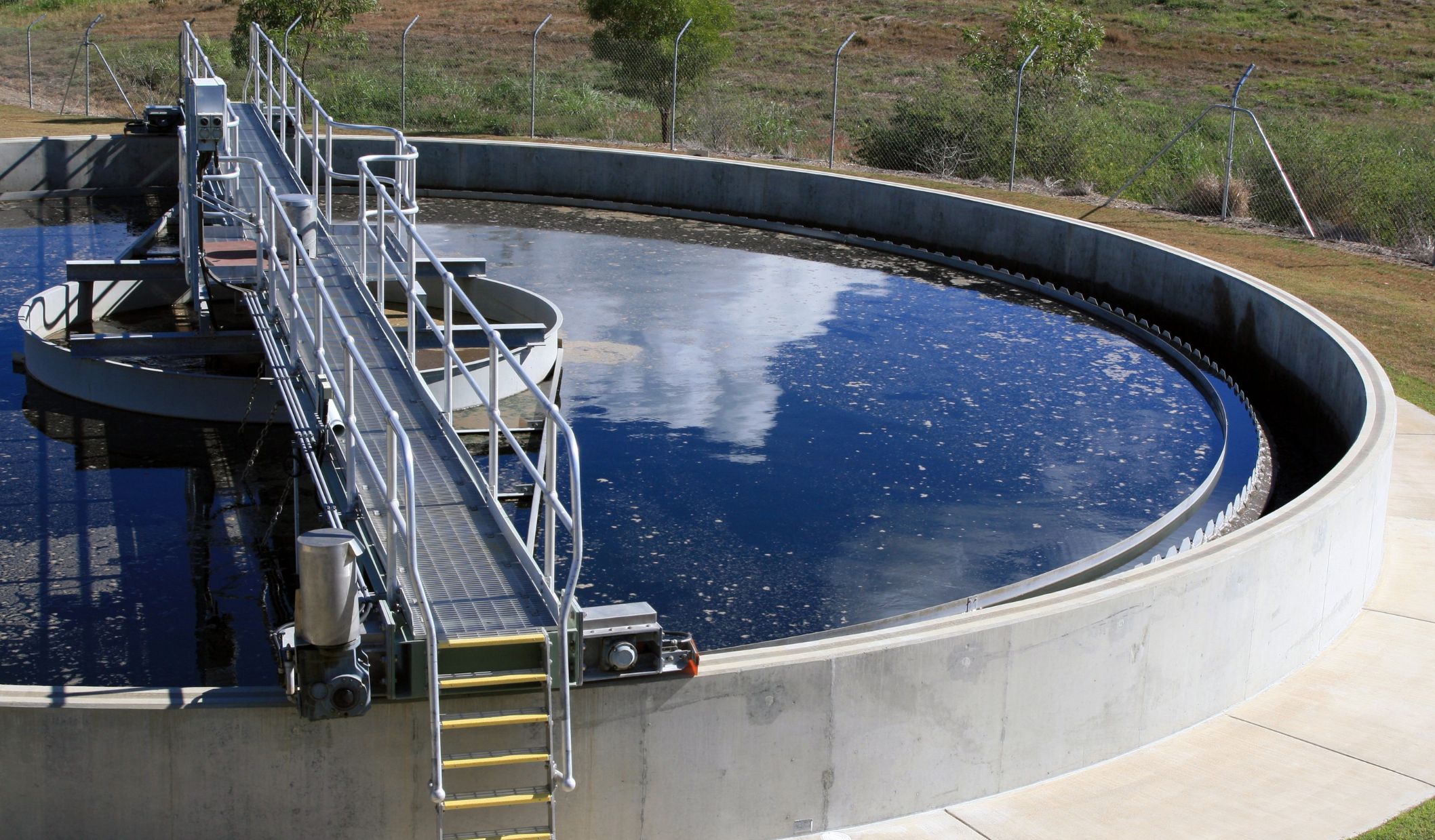
Geography and density. Many Indian STPs — particularly older ones — were built on the periphery of cities that have since expanded around them. What was once a buffer zone of open land is now dense residential development. The STP that was invisible and inoffensive in 1995 is now surrounded by apartment complexes, schools, and commercial areas whose residents are increasingly unwilling to accept malodour as a fact of life.
Climate. India’s tropical and subtropical climate accelerates the microbial processes that produce odour compounds. High ambient temperatures increase the rate of anaerobic decomposition, raising H₂S and ammonia generation rates. High humidity increases the persistence of odour plumes. Monsoon conditions create their own challenges — high wind speeds spread odour further, while the wet season often brings the highest organic load to the plant precisely when conditions for H₂S generation are most favourable.
Influent quality. Indian sewage typically has a higher organic load and a greater proportion of industrial co-discharge than sewage in many other countries — particularly in cities where informal industrial activity discharges directly into the municipal sewer network. Higher organic loads mean more anaerobic activity, more H₂S, more ammonia, and more VOCs.
Infrastructure gaps. Many Indian STPs were built with treatment efficiency as the primary design objective and odour control as an afterthought — if it was considered at all. Retrofitting effective odour control onto existing plant infrastructure is significantly more complex and expensive than designing it in from the start.
Regulatory evolution. India’s environmental regulatory framework around odour is tightening. State Pollution Control Boards are increasingly responsive to community complaints, and the CPCB’s guidelines on odour pollution are being more actively enforced. STPs that have operated without odour control for years are finding themselves under notice for the first time.
What Odour Compounds Does an Indian STP Actually Produce?
Before evaluating odour control systems, it is essential to understand the specific chemistry of what your STP is emitting. STP odour is not a single compound — it is a dynamic mixture that varies by process stage, time of day, season, and influent composition.
Hydrogen Sulfide (H₂S)
The dominant odour compound in most Indian STPs. Produced by sulfate-reducing bacteria under anaerobic conditions — in the sewer network before the plant, and within the plant at the inlet works, primary clarifiers, sludge thickeners, gravity belt thickeners, and anaerobic digesters.
H₂S has a detection threshold of approximately 0.0005 ppm — making it perceptible to the human nose at concentrations far below any health threshold. At 1–5 ppm, it is intensely unpleasant. At 10 ppm, it begins to cause health effects. At 50 ppm, it causes acute symptoms. Above 100 ppm, it is immediately dangerous to life.
The combination of extreme olfactory sensitivity and genuine toxicity makes H₂S both the most complained-about and the most dangerous compound in the STP environment.
Ammonia (NH₃)
Generated during the biological breakdown of nitrogenous organic matter — proteins, urea, amino acids — throughout the treatment process, with peak concentrations at the biological treatment stage, in return sludge streams, and particularly at sludge dewatering and drying operations. Ammonia produces the sharp, acrid, eye-watering odour that community members living near STPs typically describe as “chemical” or “choking.”
Mercaptans
Methyl mercaptan and ethyl mercaptan are sulfur-containing organic compounds produced alongside H₂S in anaerobic zones. Methyl mercaptan has an odour detection threshold of approximately 0.0021 ppm — roughly comparable to H₂S in its olfactory potency. It contributes a distinctive, pungent, cabbage-like character to the mixed odour profile of STP environments.
Volatile Organic Compounds (VOCs)
A broad category including indole, skatole, butyric acid, valeric acid, and various aldehydes and ketones — produced during the decomposition of organic matter at various treatment stages. Individually present at low concentrations, VOCs collectively contribute significantly to the overall perceived odour intensity and character of the STP environment.
The Mixture Problem
The critical insight for STP odour management is that these compounds are present simultaneously, in varying proportions, at different locations across the plant. An odour control system that addresses only H₂S will leave the ammonia and VOC problem untreated. A system designed for the inlet works may be entirely inappropriate for the sludge dewatering hall. Effective odour control requires a system that can address the full chemical complexity of STP emissions across all process zones.
Odour Control Systems Commonly Used at Indian STPs: An Honest Assessment
Chemical Dosing to the Sewage Stream
Upstream chemical dosing — adding iron salts (ferric chloride or ferrous sulfate) or nitrate salts to the incoming sewage — is a widely used approach to H₂S control in Indian STPs. Iron salts precipitate sulfide ions before they can be converted to H₂S gas, while nitrate provides an alternative electron acceptor for bacteria, suppressing the anaerobic sulfate reduction that generates H₂S.
What it does well: Effective at reducing dissolved sulfide concentrations in the sewage stream, particularly in rising mains and long-distance transfer sewers where H₂S builds up during transit.
Its limitations: Addresses only H₂S precursors in the liquid phase — does not treat ammonia, mercaptans, or VOCs. Requires continuous chemical procurement, dosing infrastructure, and careful management to avoid over- or under-dosing. Generates iron-rich sludge that can complicate downstream sludge treatment. Has no impact on ambient air quality in the plant — it reduces dissolved sulfide before it reaches the plant but does not treat the airborne odour compounds already present in the treatment environment.
Enclosed Covers with Ducted Ventilation and Chemical Scrubbers
This approach involves physically enclosing odour sources — inlet channels, primary clarifiers, sludge handling areas — and extracting the captured air through ducting to a chemical scrubber. The scrubber passes the extracted air through a liquid medium — typically caustic soda for H₂S or sulfuric acid for ammonia — where target compounds are absorbed and neutralised.
What it does well: When properly designed, operated, and maintained, it can achieve high removal efficiencies for target compounds. Suitable for new-build STPs where enclosure can be designed into the infrastructure from the outset.
Its limitations: Extremely high capital cost — enclosing large STP structures and installing ducting and scrubber systems is a major civil and mechanical engineering project. High ongoing operating costs — caustic soda, sulfuric acid, fan energy, and maintenance. Single-compound targeted — a NaOH scrubber does not address ammonia; an acid scrubber does not address H₂S; most Indian STPs would require a two-stage scrubber system to address the full odour profile. Spent scrubber liquor requires disposal. Retrofitting to existing plants is often impractical or prohibitively expensive. If the ventilation system fails, the enclosed space becomes a confined space H₂S hazard.
Biofilters
Biological filtration passes extracted air through a bed of organic or structured media colonised by microorganisms that metabolise odour-causing compounds as a food source.
What it does well: Can achieve good removal efficiency for H₂S and some VOCs under steady-state conditions. Relatively low chemical operating costs once established. No hazardous chemicals involved.
Its limitations: Very high capital cost and substantial footprint — biofilter beds large enough to handle the air volumes of a full-scale STP are major structures. Two to three weeks to install and commission. Slow to respond to load spikes — if the influent composition changes or the organic load increases, the microbial population takes time to adapt, during which breakthrough odour occurs. The media requires periodic replacement. The biofilter itself can become an odour source if the microbial community is disrupted — by temperature extremes, chemical shocks, or maintenance activities. Limited effectiveness against ammonia, which requires specialist biofilter media and operating conditions.
Ozone Treatment
Ozone is a powerful oxidant that can break down many odour compounds. Ozone generators produce O₃ from ambient air or pure oxygen and inject it into the odorous air stream.
What it does well: Effective oxidant against a range of organic odour compounds. No chemical storage required — ozone is generated on-site.
Its limitations: Ozone itself is a toxic gas — the occupational exposure limit is 0.1 ppm, and short-term exposure above 0.3 ppm causes respiratory irritation. Its use in open or semi-open STP environments — where worker exposure cannot be fully controlled — creates a secondary safety hazard. High energy consumption. Ozone can react with VOCs to produce secondary oxidation by-products, some of which may themselves be odorous or harmful. Not suitable for most Indian STP environments where process areas are not fully enclosed.
Masking Agents and Perfumed Fogging
The most commonly deployed “odour control” approach at Indian STPs remains the least effective: perfumed fogging machines that disperse fragrance into the air to compete with the odour perception.
What it does: Creates a competing olfactory stimulus that partially masks the perceived intensity of the underlying odour for a short period.
What it does not do: Nothing. The H₂S, ammonia, mercaptans, and VOCs remain present at exactly the same concentrations after fogging as before. The only thing that changes is the addition of a fragrance chemical to the air — which can itself cause respiratory irritation, and which frequently produces a hybrid odour that community members find equally objectionable.
Masking is not odour control. It is odour avoidance — and it does not comply with the spirit or intent of CPCB odour management guidelines.
What Indian STPs Actually Need: The Case for Molecular Neutralisation
The limitations of conventional systems — high capital cost, single-compound targeting, secondary safety hazards, operational complexity, or fundamental ineffectiveness — point toward a clear set of requirements for an ideal STP odour control system in the Indian context:
✅ Must address H₂S, ammonia, mercaptans, and VOCs simultaneously
✅ Must be deployable without major civil or mechanical infrastructure
✅ Must be safe for workers in open and semi-open environments
✅ Must not generate secondary pollutants or hazardous by-products
✅ Must be compatible with biological treatment processes
✅ Must be cost-effective at Indian STP operational budgets
✅ Must be scalable — from a small 1 MLD municipal STP to a large 100 MLD facility
✅ Must deliver results quickly — not after weeks of commissioning
Molecular odour neutralisation meets every one of these requirements.
Unlike masking (which adds a competing stimulus) or adsorption (which captures compounds on a surface), molecular neutralisation deploys chemically active compounds that react irreversibly with odour-causing molecules — converting H₂S into odourless sulfates, converting ammonia into stable ammonium salts, and binding VOCs through electrophilic interaction with plant polyphenols and tannins. The odour compounds cease to exist in a form that can be detected by the human nose or measured by air quality monitoring equipment.
KleanAir: India’s Molecular Odour Neutralisation System for STPs
KleanAir by Fintovate Technologies is a plant-based molecular odour neutralisation product engineered specifically for the complex, mixed-compound odour environments of industrial and municipal STPs. It is available in two formulations that together address the complete odour chemistry of a typical Indian STP:
KleanAir HS 400 — For Acidic Odour Compounds
Target compounds: H₂S, methyl mercaptan, ethyl mercaptan, acidic VOCs
Chemistry: A mildly alkaline buffer system containing redox-active functional groups that undergo electron transfer reactions with reduced sulfur species. H₂S and mercaptans are oxidised to odourless sulfates or thiolates — a permanent, irreversible chemical transformation.
Primary deployment zones at an STP:
- Inlet works and screens
- Primary sedimentation tanks
- Gravity thickeners and sludge holding tanks
- Lifting stations and pump wet wells
- Anaerobic digester surrounds and inspection points
KleanAir MA⁺ — For Alkaline Odour Compounds
Target compounds: Ammonia (NH₃), primary amines, secondary amines, tertiary amines
Chemistry: Mildly acidic organic salts that function as proton donors in the presence of alkaline gases. Ammonia and amines are protonated to form stable, non-volatile ammonium salts — permanently neutralised and unable to re-emit.
Primary deployment zones at an STP:
- Sludge dewatering halls (centrifuges, belt presses, screw presses)
- Sludge drying beds
- Biological treatment zones during load spikes
- Return sludge handling areas
- Site perimeter boundary (where alkaline odour is the dominant community complaint)
Composition: Why Plant-Based Matters for STPs
Both KleanAir variants are composed entirely of biodegradable inner salts, essential oils, and plant-based extracts — with no synthetic surfactants, artificial fragrances, or hazardous carriers.
This matters enormously for STP applications because:
Biological system compatibility. The bacteria in your aeration tanks, return sludge stream, and anaerobic digesters are the core of your treatment process. Any odour control chemistry that inhibits nitrifying bacteria, disrupts the activated sludge ecosystem, or alters process chemistry will trade an odour problem for a treatment compliance problem. KleanAir’s plant-based, biodegradable formulation is safe for concurrent use with biological treatment systems — it does not inhibit microbial activity or alter process pH in any operationally significant way.
Worker safety. Unlike ozone, caustic chemicals, or high-concentration chemical oxidants, KleanAir is non-toxic, non-irritant, and safe for use in open environments where worker exposure cannot be fully controlled.
No secondary pollution. KleanAir does not generate secondary odour compounds, toxic oxidation by-products, spent liquor requiring disposal, or any other form of secondary environmental burden.
KleanAir Deployment at an Indian STP: The Practical Picture
Application Methods
KleanAir is compatible with the full range of application methods available at a typical Indian STP — with no new infrastructure required:
Automated misting systems (10–20 µm droplet size) — ideal for open process areas including inlet works, primary clarifiers, and sludge drying beds. Microdroplet sizing maximises the gas-liquid contact area, improving reaction efficiency with airborne odour compounds.
Drip dosing — ideal for enclosed or submerged sources including wet wells, sludge feed lines upstream of dewatering equipment, and leachate collection points. Dosing KleanAir HS 400 directly into the sludge stream before it enters the dewatering press neutralises H₂S and VOCs before the compression process releases them at peak concentrations.
Manual spraying — provides operational flexibility for event-driven odour management, maintenance activities that disturb settled sludge, or emergency response to load spikes and process upsets.
HVAC-integrated atomisers — for enclosed buildings such as dewatering halls and blower rooms where air handling systems are already in place.
Infrastructure Requirements
None beyond what most Indian STPs already operate. KleanAir works with:
- Standard GI or SS piping
- Polymer storage tanks
- Standard pump heads and dosing systems
- Existing misting infrastructure where present
No pressurisation equipment, no heat generation, no catalytic beds, no specialist engineering. A plant that currently operates perfumed foggers can switch to KleanAir with the same delivery infrastructure and achieve fundamentally superior results from day one.
The Compliance Case for KleanAir
For STP operators navigating India’s evolving environmental compliance landscape, KleanAir offers a documented, scientifically grounded odour control approach that satisfies the “all practicable efforts” standard required under India’s Environment Protection Rules.
Key compliance-relevant attributes:
HACCP-compliant formulation — validated for use in environments involving human exposure without contamination risk.
ISO 9001:2015 certified manufacturing — ensuring consistent product quality and traceability.
Non-classified under IATA and UN Dangerous Goods regulations — simplifying procurement, storage, and transport logistics for plant operators.
Biodegradable and effluent-free — does not generate secondary waste streams requiring separate disposal and compliance management.
Compatible with CPCB ambient air quality standards — pilot deployments have demonstrated compliance with ambient odour standards at site boundaries following KleanAir implementation.
When a State PCB officer visits your plant following a community complaint, the ability to demonstrate an active, scientifically documented odour neutralisation program — not a fogging machine — is the difference between a satisfactory inspection and an enforcement notice.
India’s STPs Need a Better Odour Control System — and It Exists
The combination of urban encroachment, tropical climate, high-strength influent, aging infrastructure, and tightening regulation means that India’s STP operators face an odour control challenge that is genuinely harder than most equivalent facilities globally.
The conventional toolkit — chemical scrubbers, biofilters, ozone, masking agents — was not designed for this environment. It is expensive, infrastructure-heavy, single-compound targeted, and in several cases actively hazardous to the workers it is supposed to be protecting.
KleanAir offers something different: a molecular, plant-based, full-spectrum odour neutralisation system that can be deployed immediately, without capital expenditure, across every odour hotspot in the STP — safely, sustainably, and at a cost that Indian operational budgets can absorb.
Up to 90% odour reduction within hours. No secondary pollutants. No impact on biological treatment. Full compliance support.
If your STP has an odour problem that your current approach is not solving, it is worth having a conversation about whether the problem is your STP — or your odour control system.
To arrange a free site assessment or product trial at your STP, contact Fintovate Technologies:
Bengaluru, India | +91-89 7001 4001 | sales@fintovate.com | www.fintovate.com